Fractional CIO & Advisory Services for Private Equity

Fractional CIO & Advisory Services for Private Equity

Partnering with private equity firms to drive value creation within their portfolio companies.

Why a Fractional CIO Makes Sense

A fractional CIO provides access to executive-level technology leadership without long-term commitment. Augment your existing team or fill a leadership gap with expert guidance tailored to your investment horizon.

private equity cio - flexible engagement

Flexible Engagement

Scale leadership up or down as needed—whether augmenting an existing CIO or filling a temporary gap.


private equity cio - strategic leadership

Strategic Leadership

Guide critical business and technology decisions with executive-level insight from day one.

private equity cio - cost effective

Cost Effective

Avoid the overhead of a full-time executive while still gaining high-impact leadership when it matters most.

private equity cio - results-focused

Results-Focused

Move beyond prolonged assessments—we deliver actionable roadmaps and measurable progress within 90 days.

Purpose-Built for SMB Portfolio Companies

Net at Work’s CIOs focus on partnering with private equity organizations to drive value creation within their portfolio companies. As business leaders skilled in leveraging technology for transformation and value creation, we focus on maximizing value during the firm’s investment period.

We have a unique focus on small and medium sized businesses (SMBs) within the following industries:

Construction Construction

Manufacturing Manufacturing

Professional Services Professional Services

Wholesale Distribution Wholesale Distribution

Healthcare Healthcare
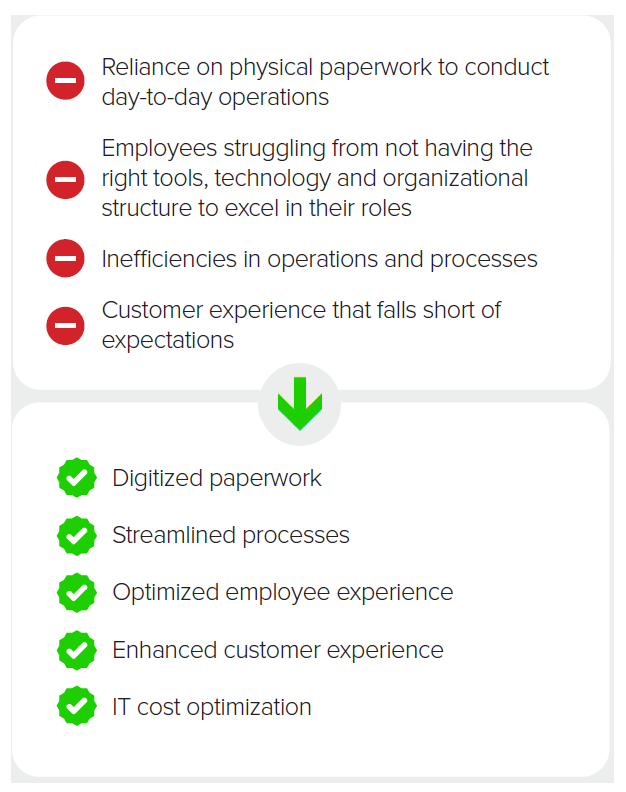
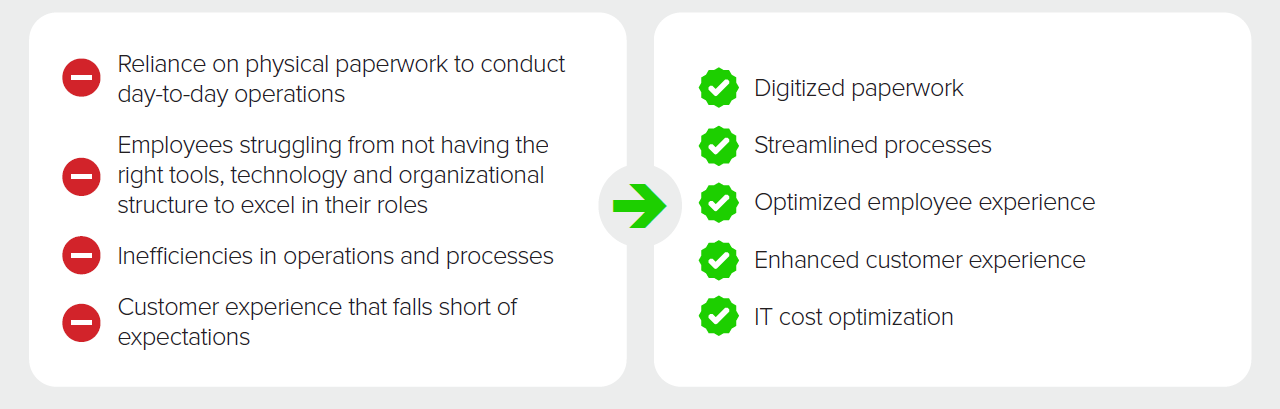
Our CIOs focus on the following outcomes for portfolio companies that move the needle most for IT value creation:

Portfolio company IT value creation benefits Portfolio company IT value creation benefits (mobile)

M&A Technology Due Diligence & Transformation

Only 21% of CEOs report conducting technology due diligence for most of their deals, but 96% of CEOs have seen technology due diligence uncover major issues or opportunities in their M&A deals (Accenture reference). Net at Work’s CIOs offer M&A Due Diligence for acquisitions.

Our approach ensures thorough due diligence, uncovering opportunities and risks within a 6–10 week timeframe:

⬆️
PLAN & PREPARE
Align with investment thesis, outline project plan, determine stakeholders, and finalize due diligence survey

Deliverables:

  • Project Plan
  • Stakeholder Map
  • Technology Due Diligence Survey
Timeline:
1 WEEK
🔍
COLLECT DATA
Gather critical information and documentation

Deliverables:

  • Infrastructure Inventory
  • Business Application Inventory
  • IT Vendor Repository
Timeline
2 Weeks
⚠️
IDENTIFY RISKS
Analyze the data to identify potential risks and areas of concern

Deliverables:

  • Risk Register
  • Gap Analysis Report
  • SWOT Analysis
Timeline:
3 Weeks
📄
DELIVER FINDINGS
Provide actionable recommendations based on the findings

Deliverables:

  • Executive Summary & Recommendations Report
Timeline:2 Weeks

Post-Acquisition & Ongoing IT Leadership

Our work doesn’t stop at close. We partner with portfolio companies post-acquisition to accelerate value creation, reduce risk, and lay the groundwork for a successful exit.

With fractional CIO leadership at the core, we help execute post-deal integration, define IT roadmaps, and lead transformation initiatives that support growth, scalability, and operational efficiency.

Whether stabilizing the environment, identifying quick wins, or driving long-term optimization, we bring the leadership and execution muscle needed to turn plans into measurable results.

Our post-acquisition services include:

  • Post-Deal Integration
  • Interim/Fractional CIO Leadership
  • IT Roadmap Development
  • Infrastructure & Application Optimization
  • Exit Readiness & Strategic Planning
Virtual CIO and Office of the CIO

Featured Fractional CIO
Resources & News

Recorded Webinar
Leading Successful Digital Transformation Through Organizational Change Management
Business leaders, watch this expert-led webinar to learn about the tools, benchmarks and best practices that are shaping the way manufacturers approach change management when implementing technology.
Blog Post
Five Signs Your Technology Roadmap is Incomplete
As we discussed in a previous article, a formal technology roadmap is often lacking among small-to-medium-sized (SMBs) organizations, leading to a reliance on manual, paper-based processes, legacy technology, spreadsheets, or other homegrown systems that dilute the business’s ability to compete effectively in today’s digital economy. On the other hand, some SMBs may believe that they have a solid technology roadmap in place, only to find that their roadmap is not as complete as they might have thought. In turn, not properly building and using a roadmap can increase the risk of a failed digital transformation. In fact, bad planning itself can often lead to failure. According to a recent CIO article, “8 Reasons Why Digital Transformations Fail,” when there is a lack of effective, consistent communication, digital transformation efforts often fail or don’t garner the full adoption the business hoped for. The first warning signs will be felt by the business itself. For example, if businesses use KPIs and metrics to track costs, growth, productivity, speed, and overall efficiency, those indicators may confirm that the business is missing real opportunities to improve existing processes to better support its most important goals. “Technology can give businesses a major competitive advantage, especially when it comes to automation, more efficient operations, reducing costs, and delivering important business insights.” Technology can give businesses a major competitive advantage, especially when it comes to automation, more efficient operations, reducing costs, and delivering important business insights. By properly using a technology roadmap as a planning tool, SMBs will increase their rate of success with the roadmap initiatives. The Warning Signs If your company is experiencing any of the challenges described above – or looking to capitalize on new opportunities – here are five warning signs that your technology roadmap may be incomplete: No collaboration or feedback: It’s important to remember that a technology roadmap is an evolving tool to facilitate decision making and planning. If your plan doesn’t have an obvious way to incorporate feedback from key stakeholders and improve over time based on this collaboration, chances are good it’s not complete and there is no formal change management program. Lack of engagement from executives: Similarly, your technology roadmap should include input from key stakeholders, including owners, executives, technical staff, managers, and end users. If your existing roadmap doesn’t reflect their insights, perspectives, and requirements, it’s probably not aligned with everyone’s expectations. This will be reflected in a lack of buy-in from stakeholders. Missing risk calculations and budget considerations: Let’s face it: every technological initiative comes with real – and often significant – risks and potential challenges. Many businesses fail to attach budget numbers to each technology imitative, and once businesses embark on their transformation, they may realize that they vastly underestimated the investment and resources needed to deliver the roadmap. If your technology roadmap doesn’t factor these variables in and thoroughly assess how the organization can address them, these initiatives may face more obstacles than you originally thought – and may even be doomed right from the start. No timelines or scope: Every technology roadmap should include a realistic timeframe and scope of work that carefully aligns with the company’s capabilities, resources, and overall goals. Companies need to find the balance between product rollouts and deployments that are too aggressive while not waiting too long to capitalize on the right technology. All of this needs to be carefully considered and included as part of your technology roadmap.  It’s a fair point that many SMBs may lack the senior IT staff to help drive technology decisions, yet they still can’t ignore market trends or technologies that can clearly improve their business. This doesn’t need to be as futuristic as artificial intelligence; many SMBs can benefit from basic automation tools, CRM and ERP solutions, or specialized technology such as AP automation systems The best way to overcome these challenges is to review and update your technology roadmap on a regular, ongoing basis. It will also help to bring an objective view to these reviews to best answer the following questions:   Is our roadmap as complete as it could be?   How can we make this roadmap better?   Who else could help us improve our technology planning?   Would an external third party’s view and expertise be valuable in providing us with independent feedback on our strategy and technology roadmap execution? Such a mindset and a commitment to improving will help make your technology roadmap even better, and in doing so, better position your company for greater success. 
Contact Us

READY TO GET STARTED?

Our experts are ready to answer any questions you may have. Use the contact form or contact us directly below:

General Inquiries:

1-800-719-3307

Contact a Fractional CIO Advisor